Learning fundamentals of microbial oceanography & rehearsal for the cruise
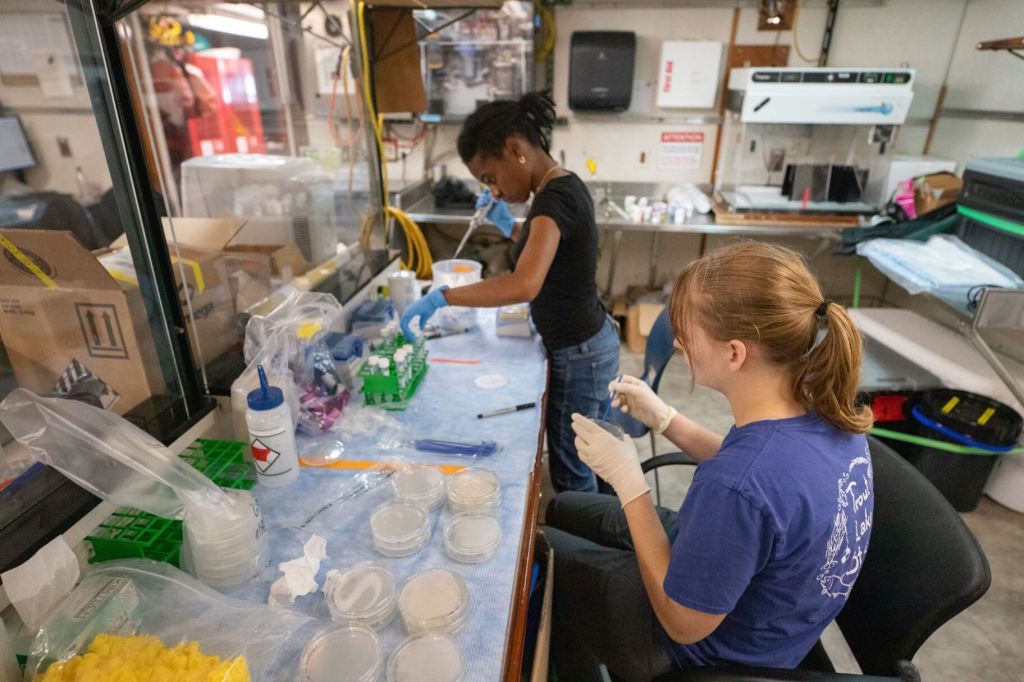
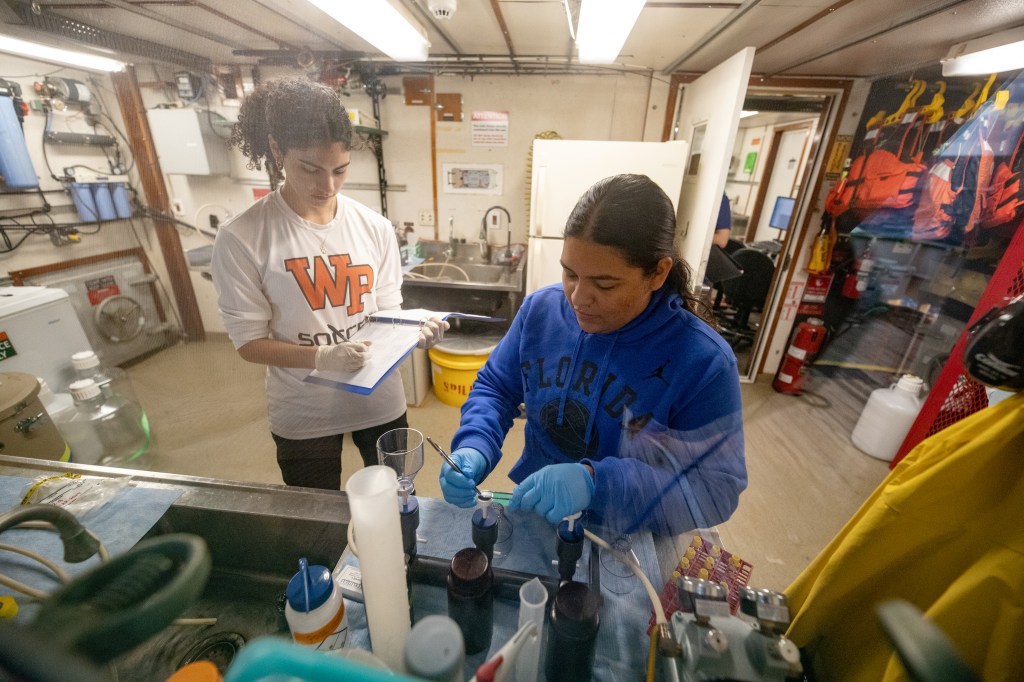
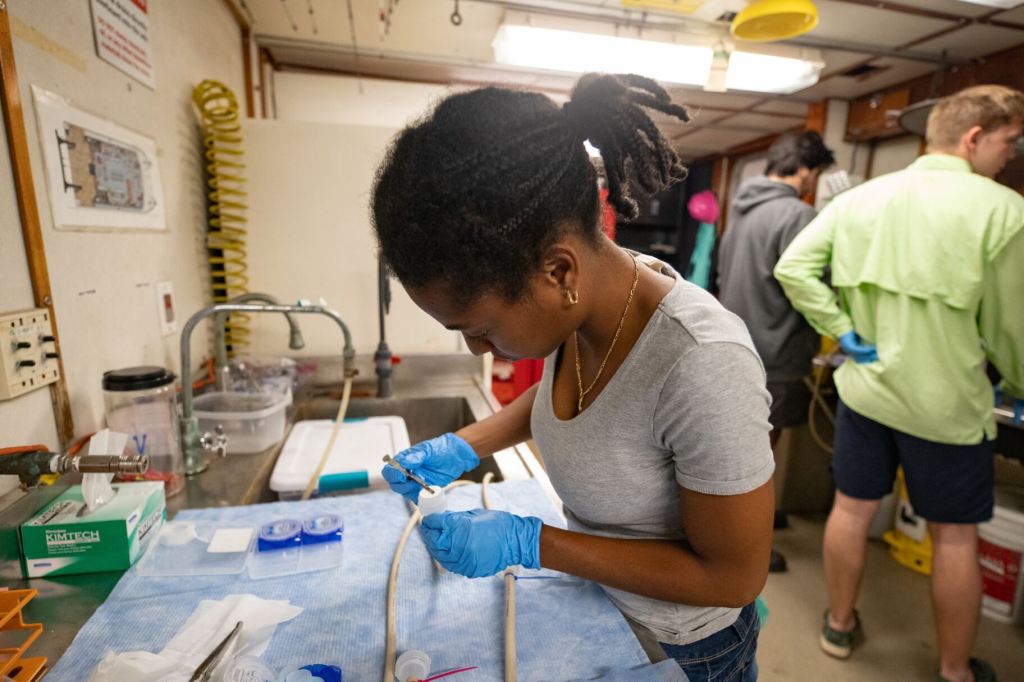
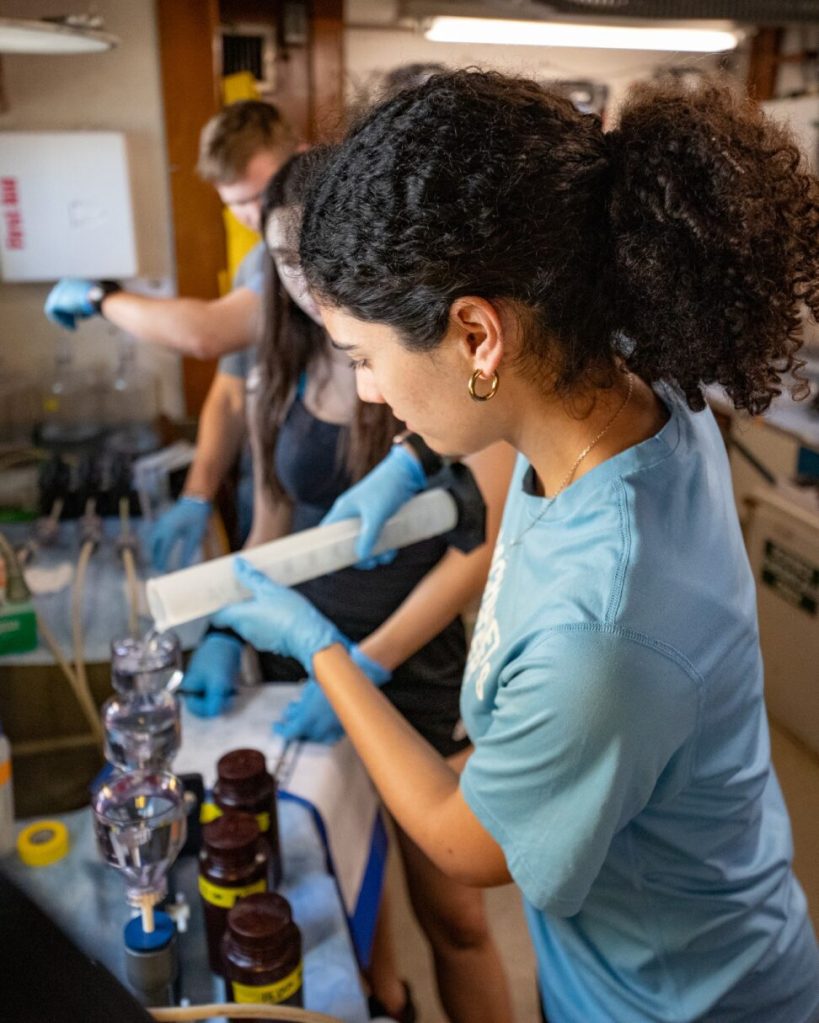
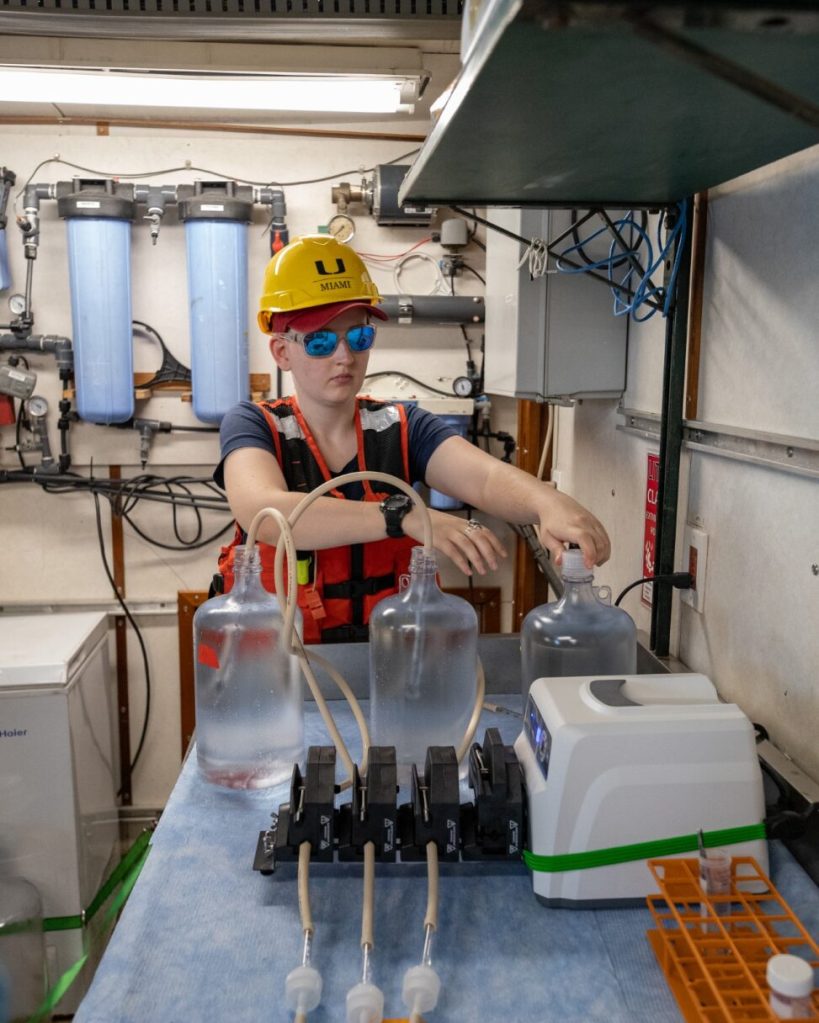
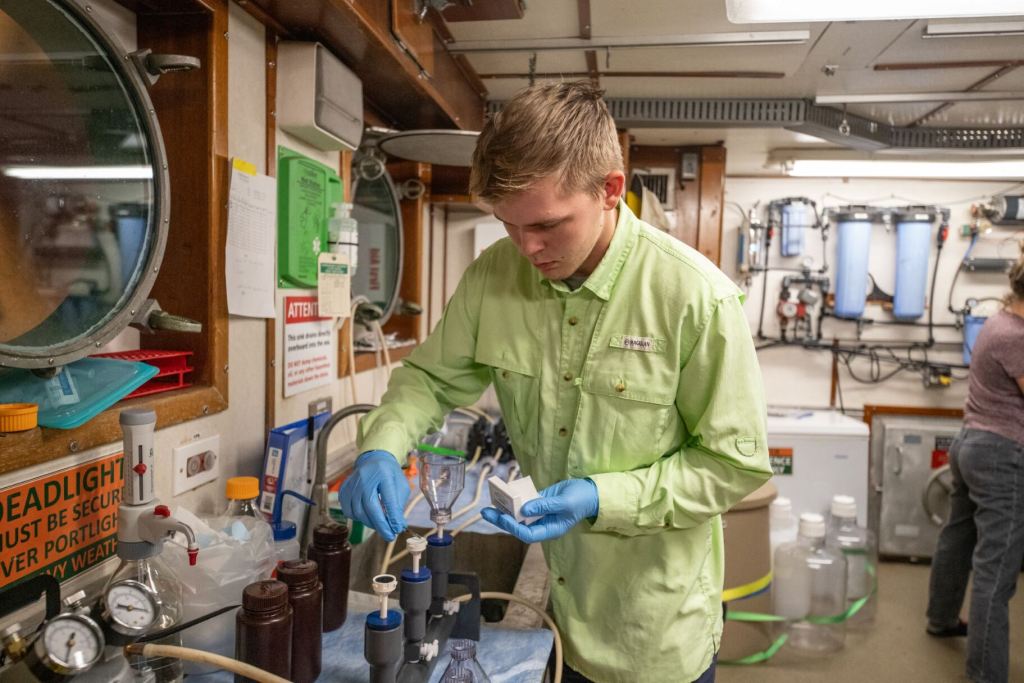
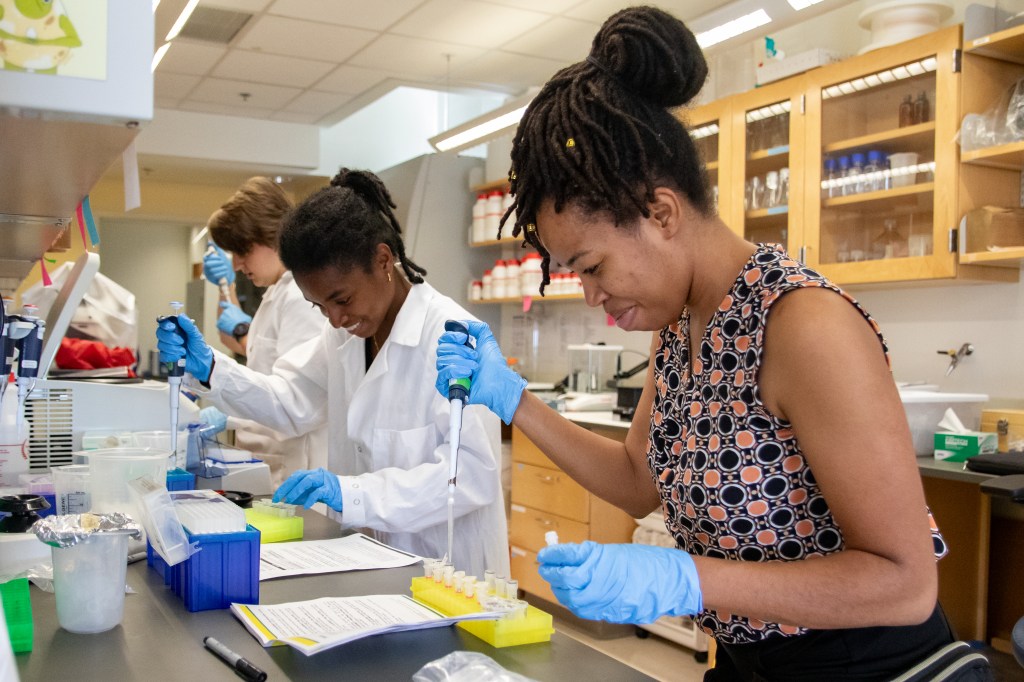
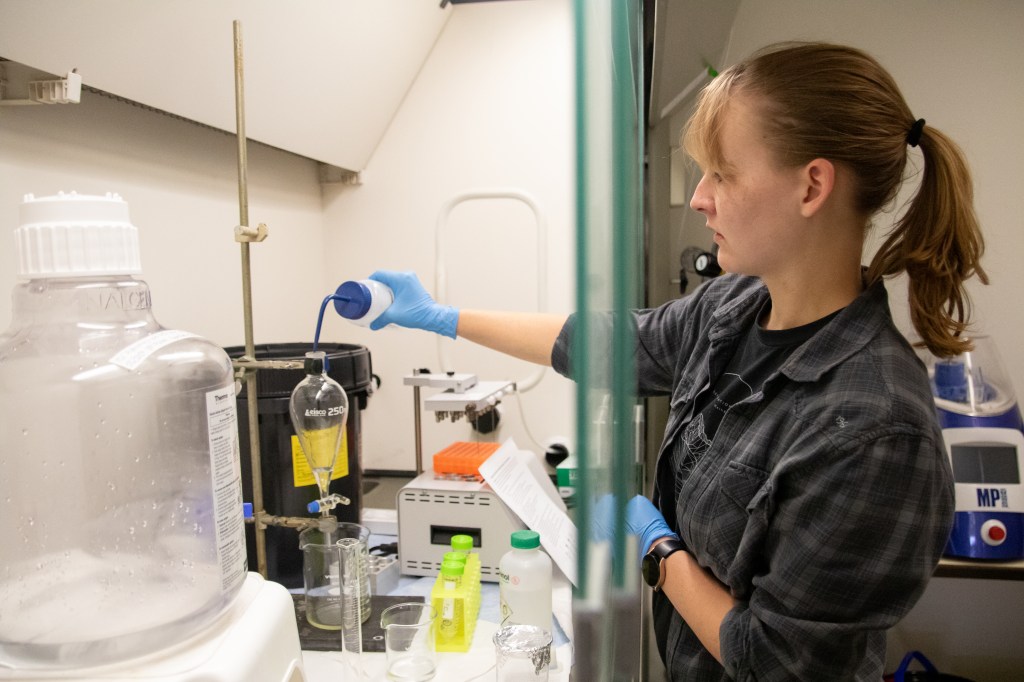
Students learn about core concepts and fundamental measurements in microbial oceanography. In the lab, students practice techniques like microbial spread & streak plating (to isolate marine bacteria from seawater) and chlorophyll sampling with a vacuum manifold (to quantify chlorophyll, a proxy for phytoplankton biomass in seawater), ..
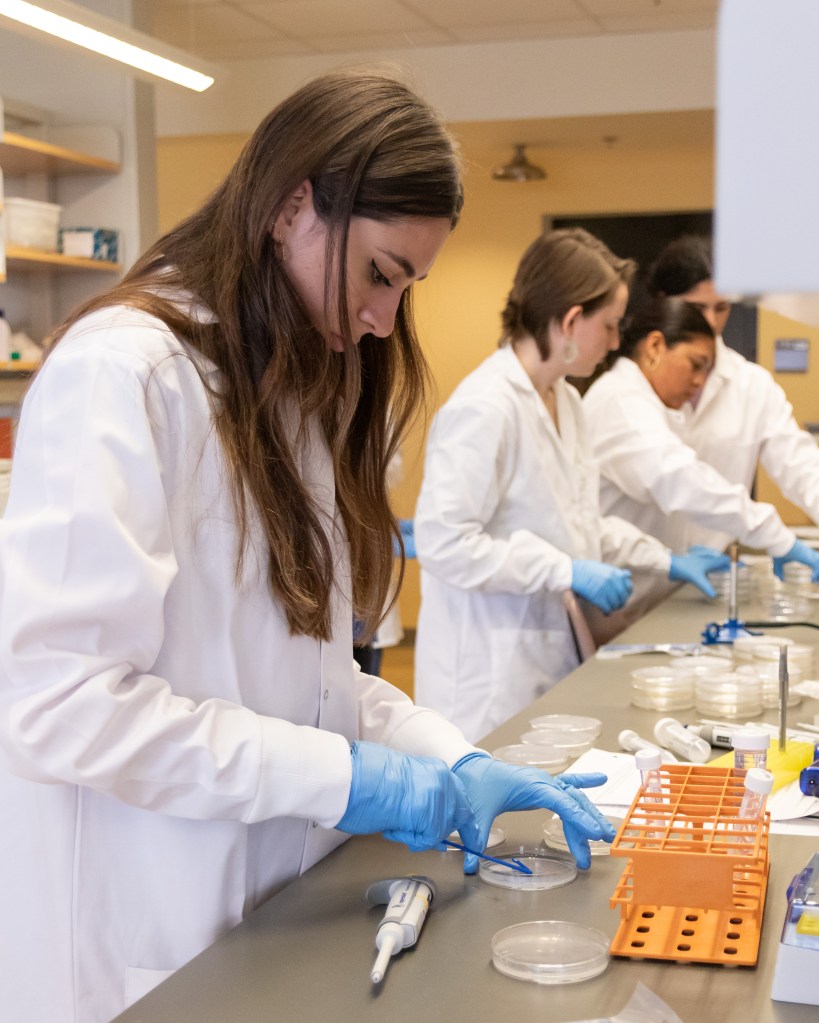
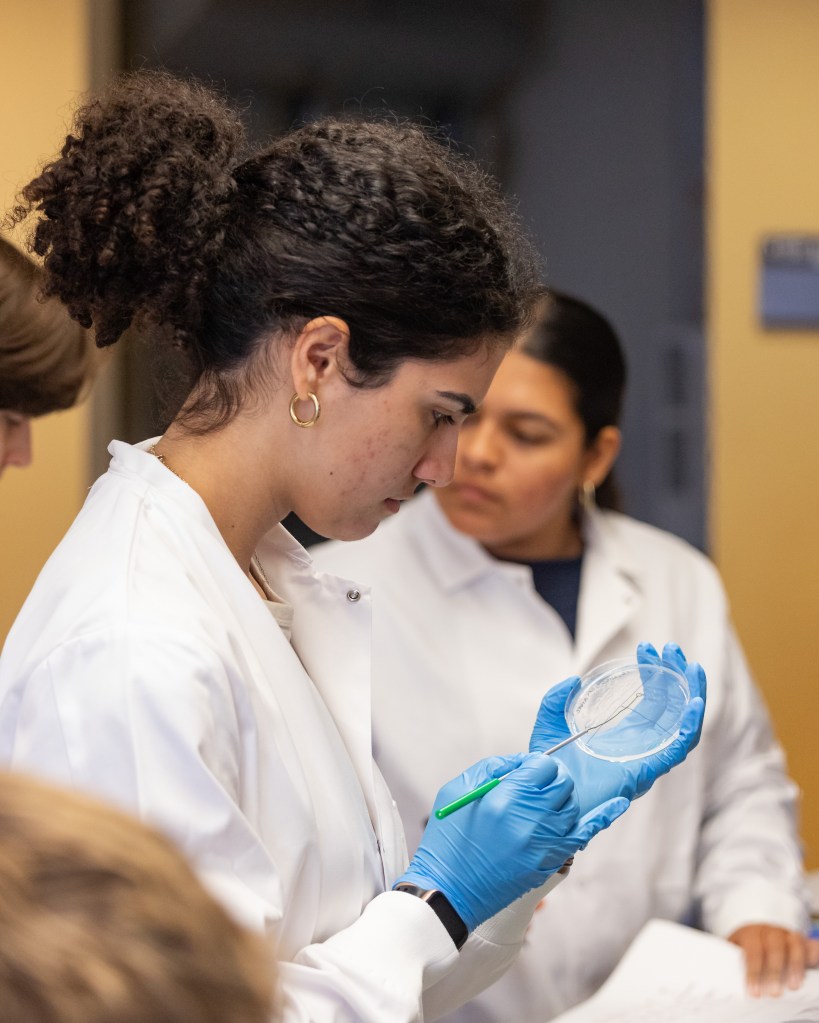
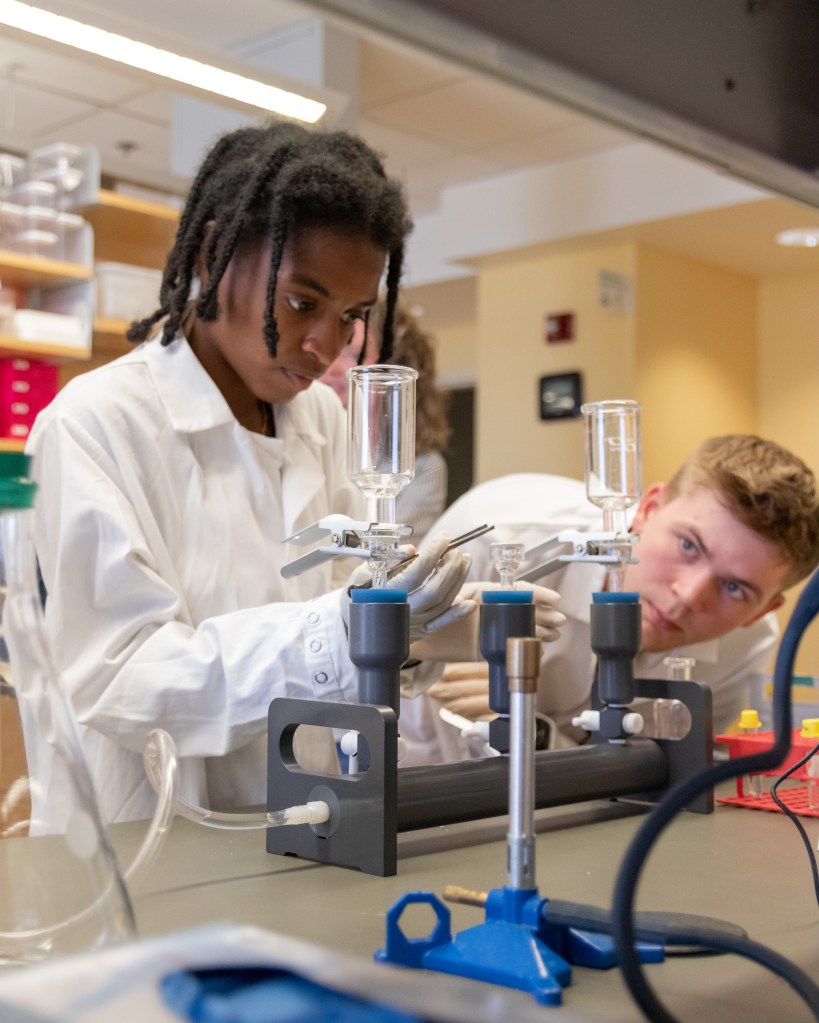
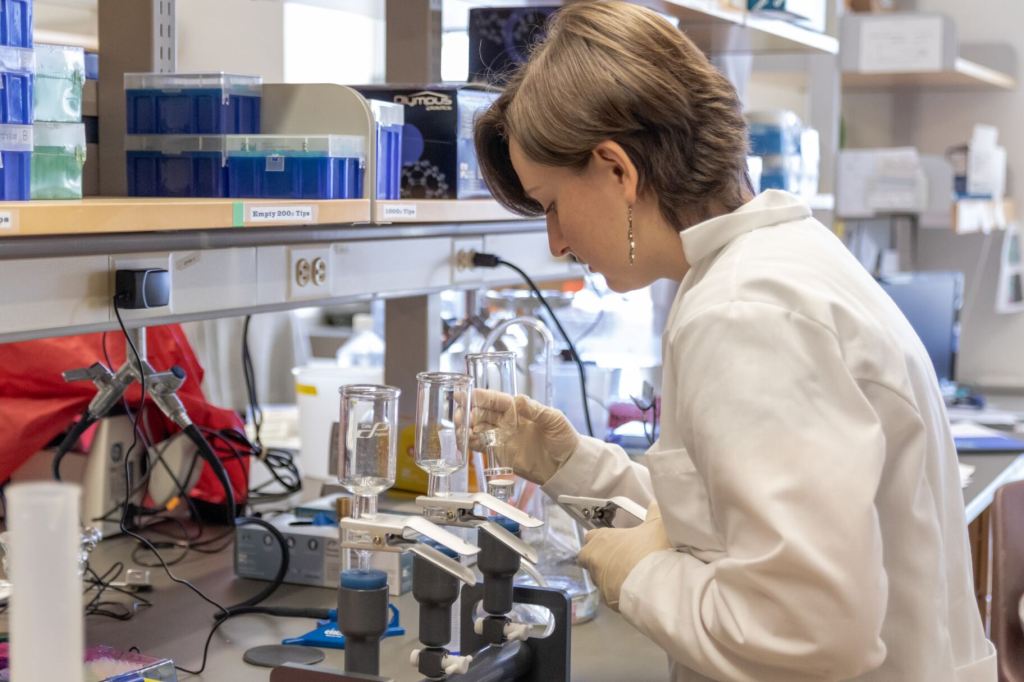
….so they are well prepared to conduct these approaches at sea.
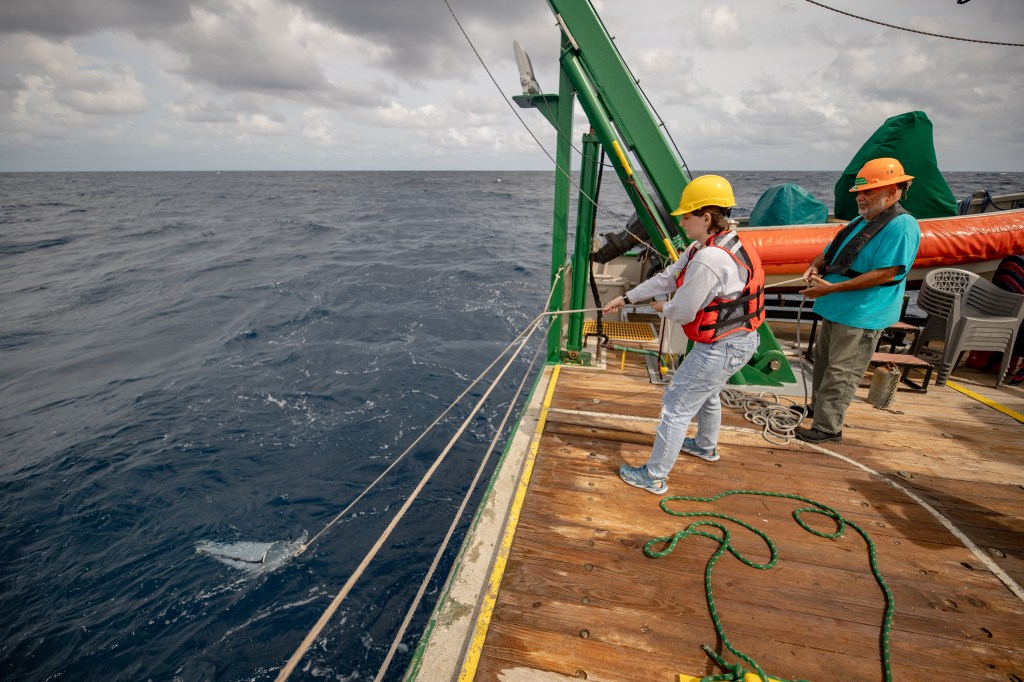
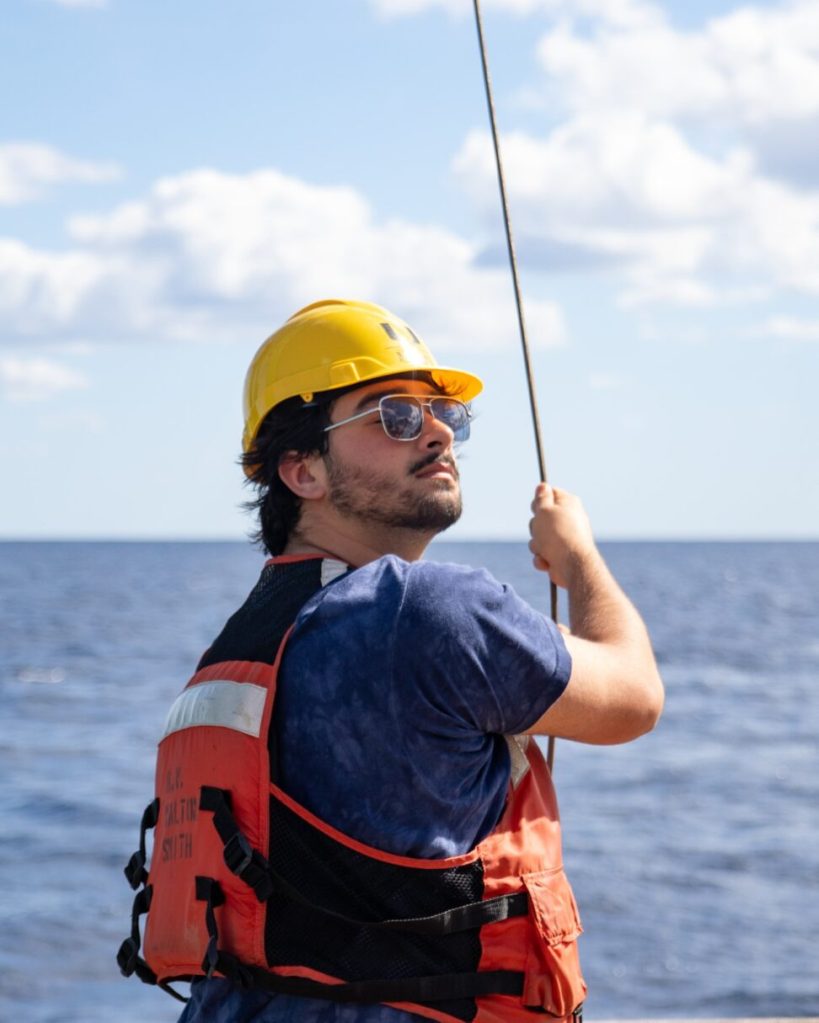
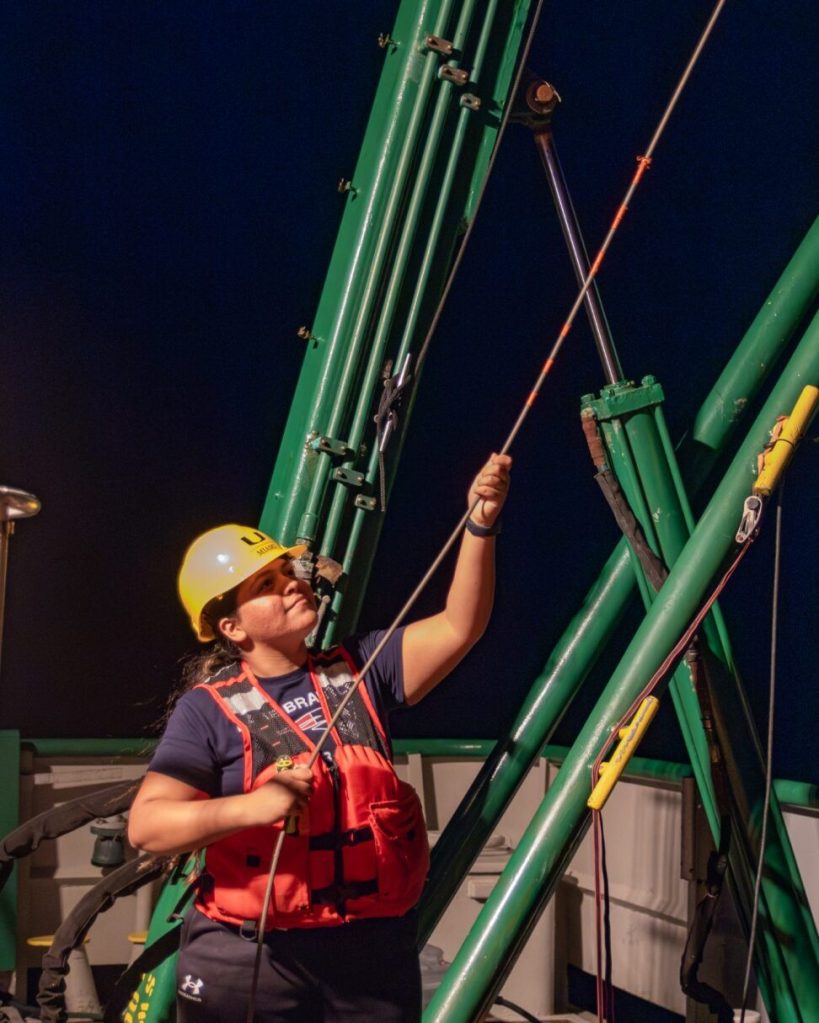
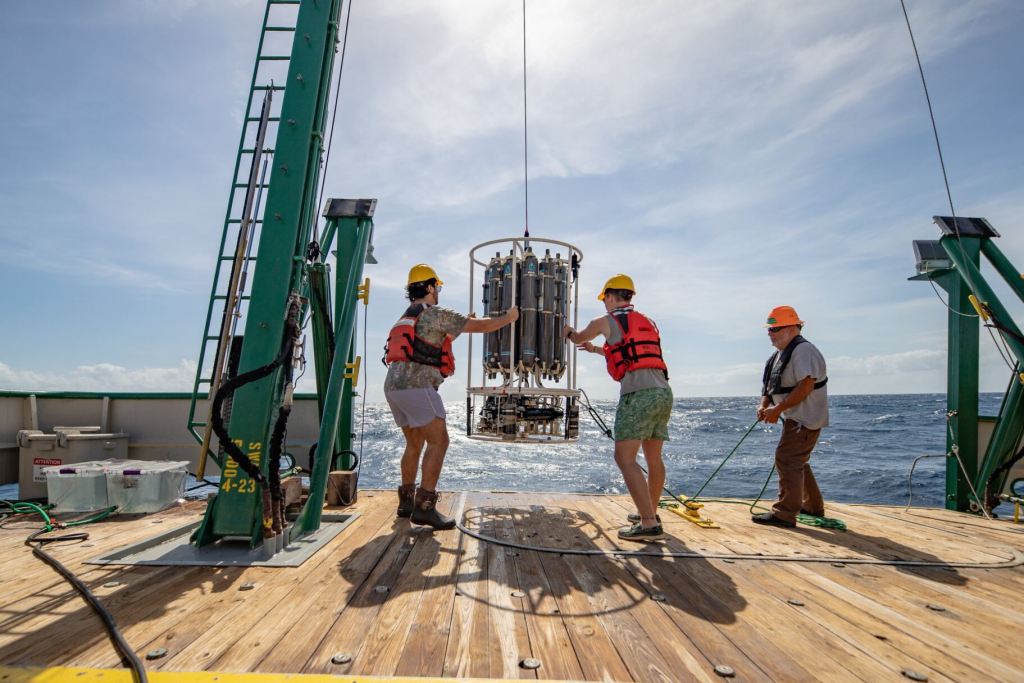
Field training on a research vessel
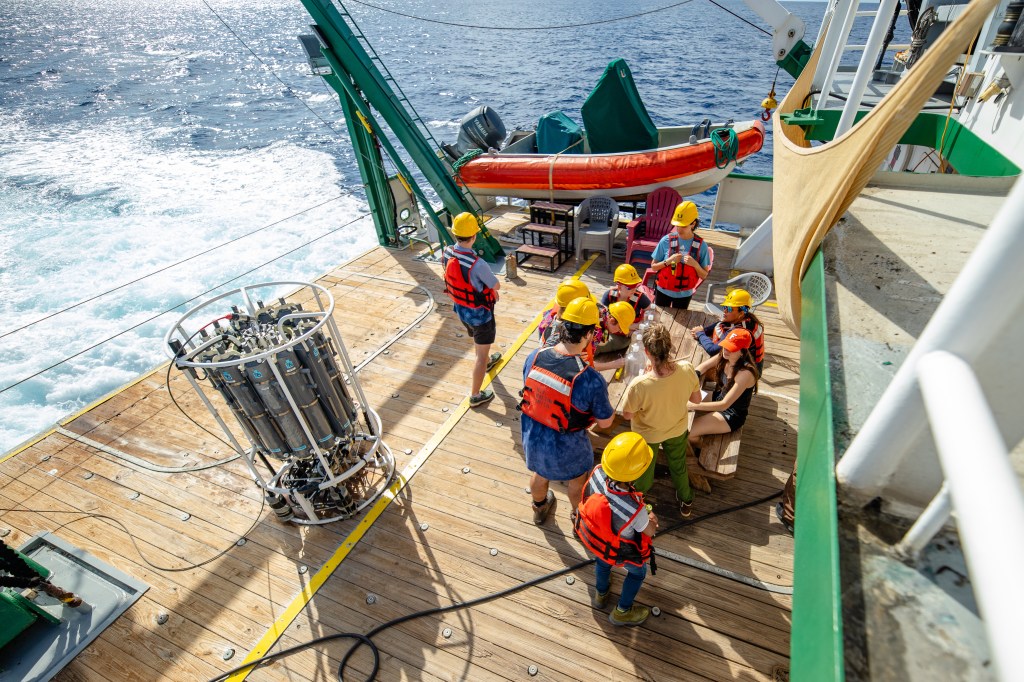
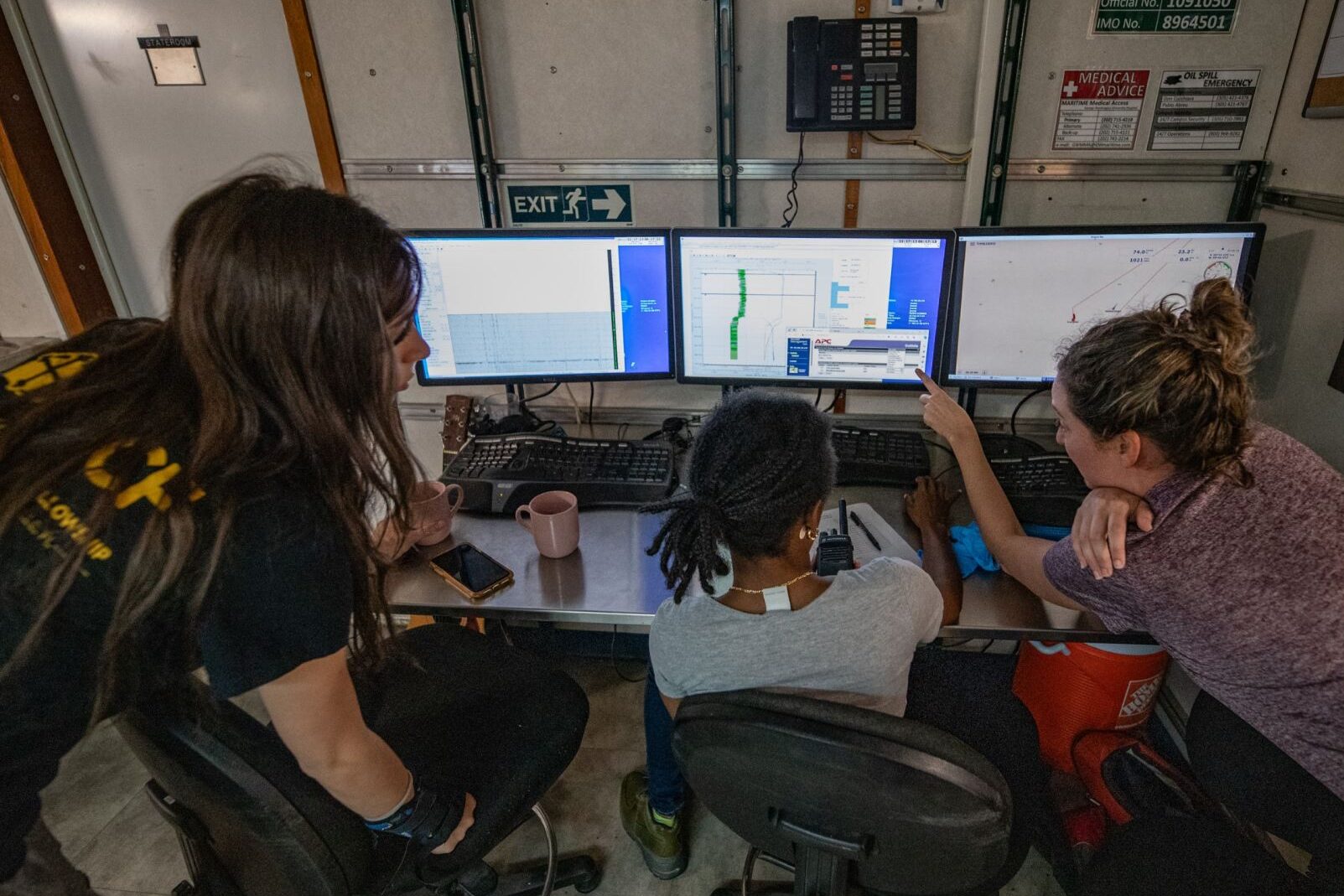
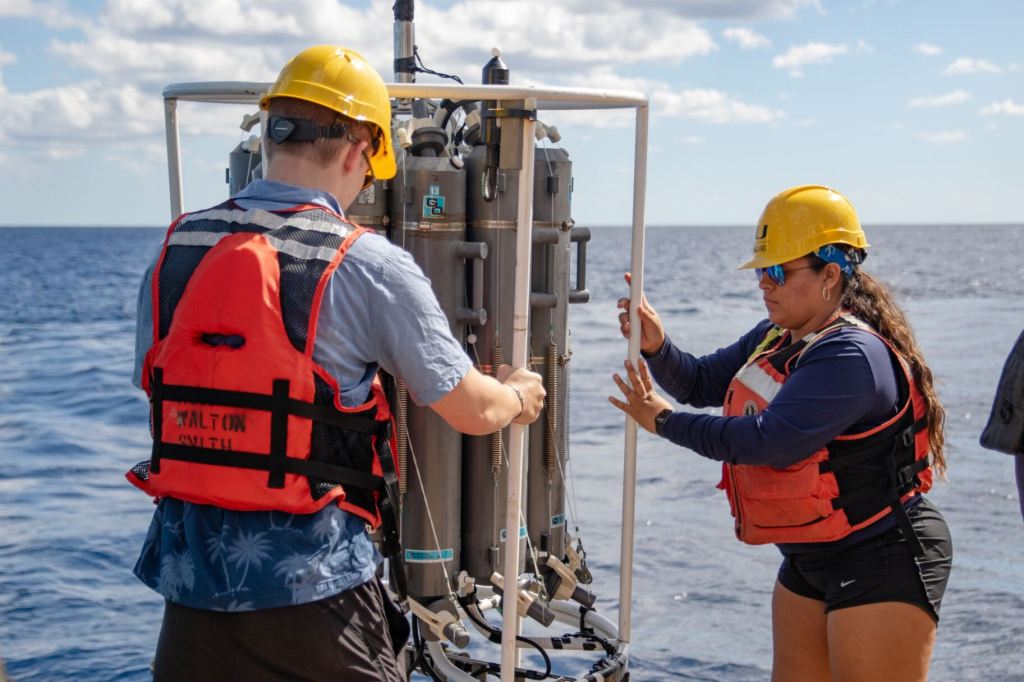
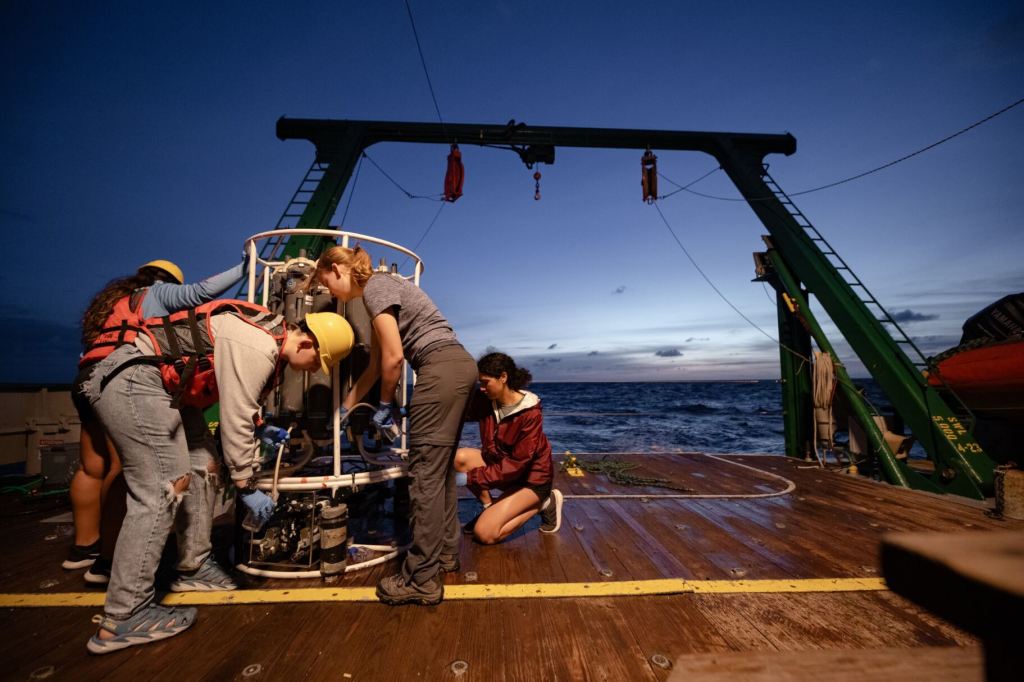
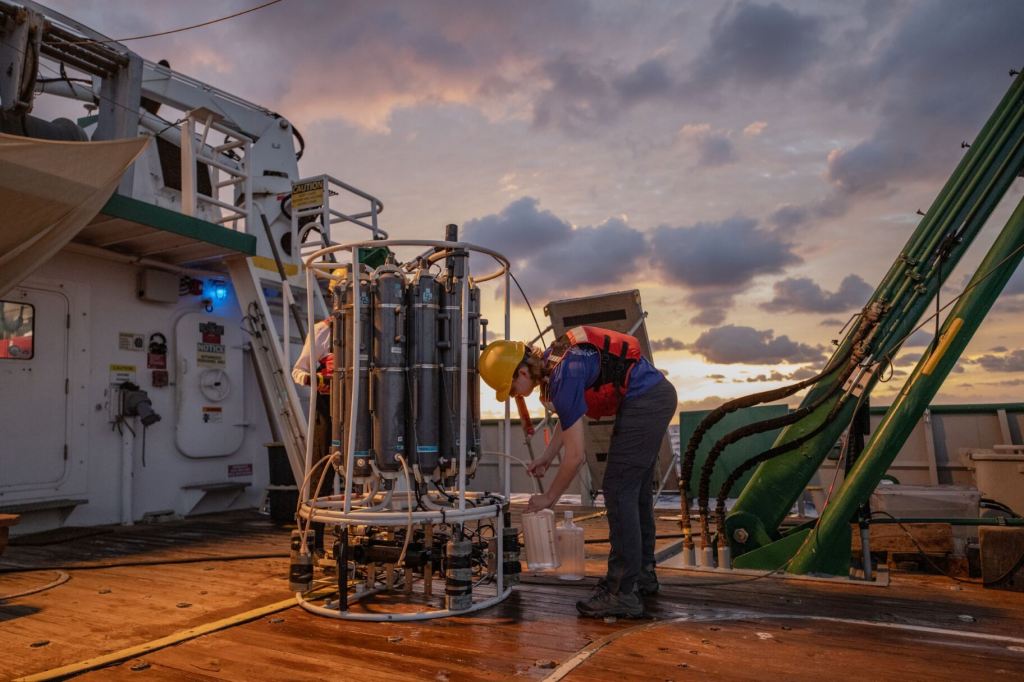
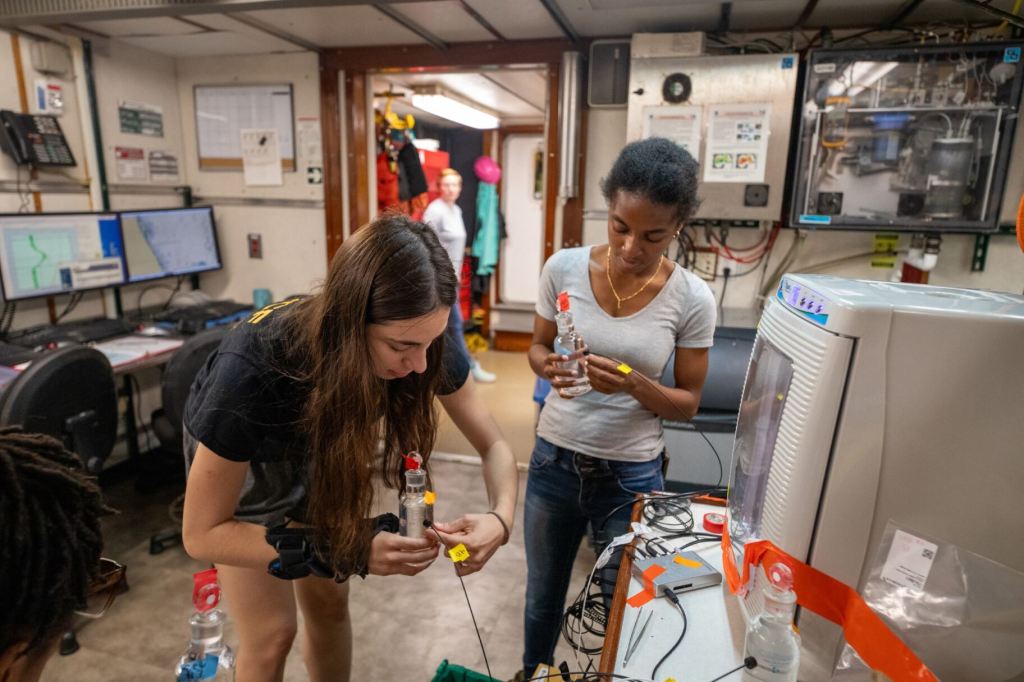
Students deploy instruments into the sea (e.g., CTD niskin rosette, plankton net), interpret data in real-time, collect samples for molecular and chemical analyses (back at UF), and learn to communicate and work as a team.
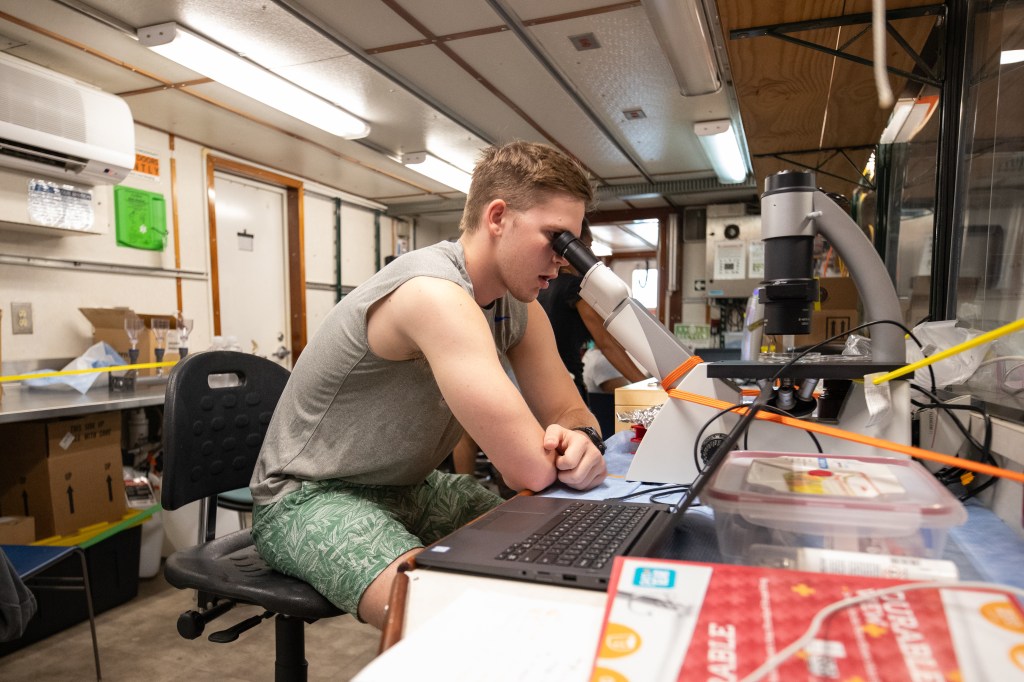
Process samples, analyze data, and synthesize findings
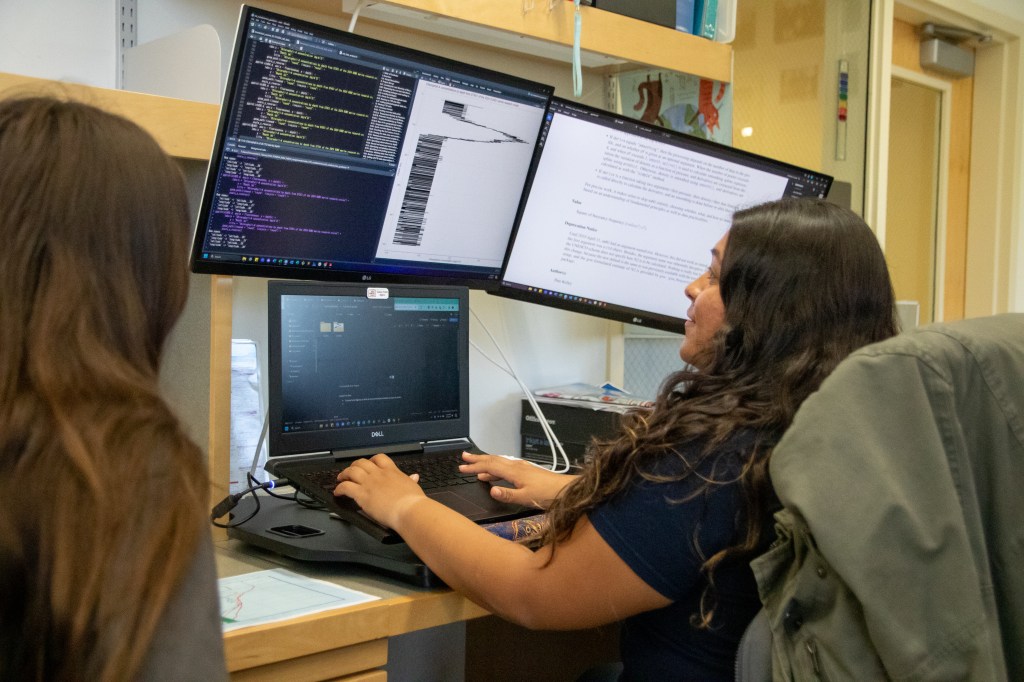
Back at UF, students work in small groups and/or independently to process their field samples and interpret their results. Data types may include sensor measurements from the CTD, microscopy images, culture isolate identifications, amplicon DNA sequences, HPLC chemical profiles, oxygen-based respiration rates, and carbon-based primary production rates.
All images c/o course Content Coordinator Lisa Coe
 gomicrobes.org